Legacy Code Redefined: Rescuing Systems from the Brink
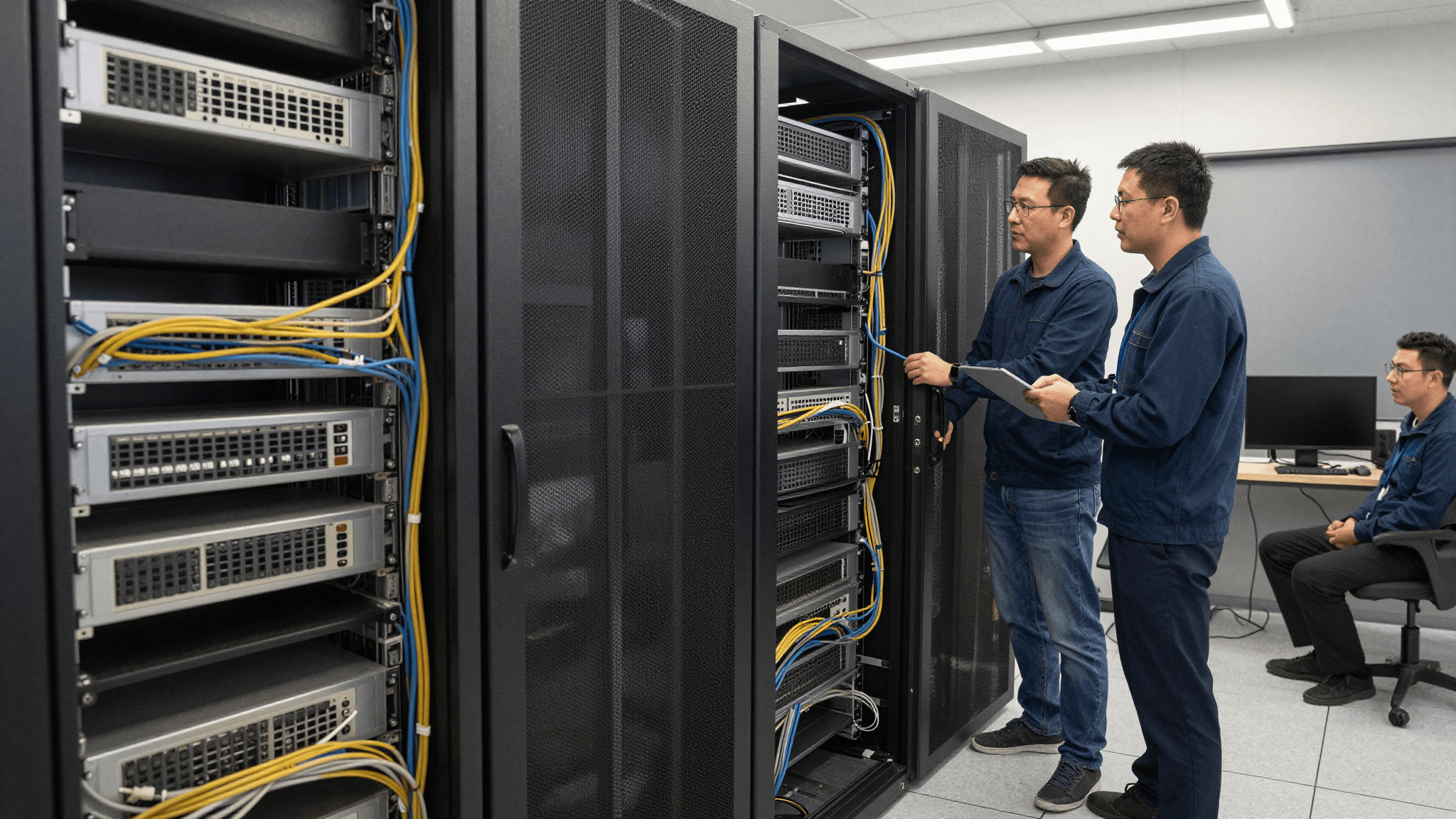
Managing 20-year-old codebases that resemble a maze charted by long-departed developers is nothing short of a nightmare. For many businesses, these systems are critical to operations, yet they lurk as ticking time bombs of inefficiency and escalating maintenance costs. AEGONTECH specializes in transforming this daunting challenge into a strategic advantage through systematic modernization.
Key Takeaways
- Proactive Legacy System Modernization minimizes disruptions and leverages new technologies for operational resilience.
- Strategic approaches to modernization can drastically lower the risks and costs associated with aging software.
- Technical Debt Management is integral to maintaining competitive edge and agility in today's fast-paced market.
Why is Proactive Modernization Essential for Legacy Systems?
Proactive modernization involves a planned, strategic overhaul of outdated software systems before they become critical liabilities. This approach not only prevents system failures and security vulnerabilities but also enhances system functionality to meet current business demands. Companies that adopt proactive modernization strategies often reduce their overall IT costs by up to 20% while boosting efficiency and agility.
What Are the Risks of Ignoring Legacy System Updates?
Ignoring the need to update legacy systems can lead to increased operational risks, higher maintenance costs, and missed business opportunities. Without updates, systems become vulnerable to security threats and compliance issues, eventually leading to system failures that can cripple business operations.
How Can Systematic Modernization Avoid Disruption?
Systematic modernization focuses on phased upgrades and employing modular replacements which minimize operational disruptions. By integrating new technologies gradually, businesses can maintain continuity while enhancing system capabilities and performance.
 Systematic approaches also involve assessing which parts of your current systems can be upgraded versus those that need a complete overhaul, an approach AEGONTECH excels in implementing. Our strategies are designed to integrate seamlessly, ensuring that every phase of the modernization process supports and builds upon the last, eliminating the potential for the projects to become overwhelming or disjointed.
When Should a Company Consider Full System Overhaul?
A full system overhaul might be considered when maintenance costs exceed the benefits of minor updates, or when the system’s architecture no longer supports necessary business functionalities or modern security requirements. This decision should be guided by detailed cost-benefit analyses and strategic planning to minimize risks and ensure alignment with business goals.
FAQ
What are the first steps in planning a legacy system modernization? Begin with a comprehensive assessment of your existing systems to identify critical weaknesses and prioritization of updates based on business impact.
How long does a typical modernization project take? Depending on the scale and complexity, a typical modernization project can take anywhere from 6 months to 2 years.
Can modernization help in reducing operational costs? Yes, systematic modernization often leads to significant reductions in operational costs by automating processes and eliminating outdated, inefficient systems.
To explore how AEGONTECH can turn your legacy system nightmares into modern software solutions that drive business growth, visit our website at AEGONTECH LLC. We’re here to help guide your business through its next digital transformation phase with expert-driven, innovative approaches.